BRIDGEFORWARD
Peer Support at Work
When someone at work is struggling…they don’t go to a program. They go to a person.
BRIDGEFORWARD equips your workforce with the skills, structure, and support to respond early to mental health, substance use, and suicide risk.
The Gap Most Organizations Miss
People are struggling, but they’re not using the supports you’ve invested in.
-
EAPs are underutilized
-

Leaders don’t feel equipped
-

Coworkers don’t know what to say
-

Issues escalate before anyone intervenes
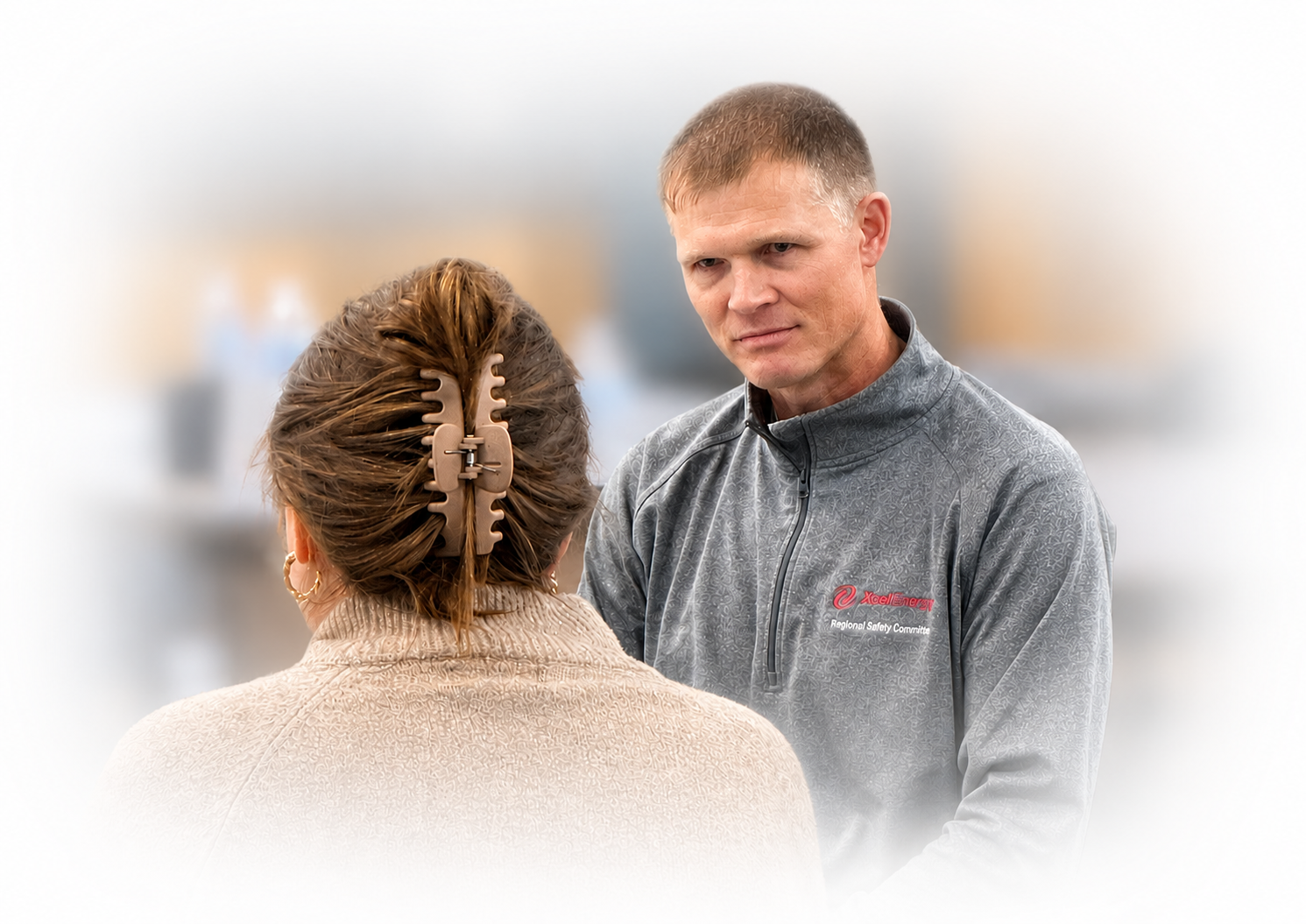
Most support happens informally -- between coworkers.
But without training, those moments are missed… or mishandled.
Traditional programs focus on awareness. But awareness alone doesn’t change behavior.
What People Say About BRIDGEFORWARD
“The most powerful suicide prevention strategy in any workplace may be creating a culture where every employee knows at least one coworker who will notice, ask, and be with them through difficult moments.”
— Dr. John Draper, founding and former Director, National Suicide Prevention Lifeline/988
“BRIDGEFORWARD Bootcamp was one of the most impactful trainings I have attended in my career. The critical skills I learned can, will, and do save lives.”
— Jim Gates, Nuclear Security Manager, Xcel Energy, a Fortune 500 company operating in eight states with upwards of $15 billion in annual revenue.
“BRIDGEFORWARD has been a supportive implementation partner — providing guidance, toolkits, and structure while empowering our team to do the hard work of building our unique peer program.”
— Darci Harvey, Director of Integrated Behavioral Health, Advent Health, one of the largest faith-based healthcare systems with over 100,000 teammates nationwide.
Earlier Intervention
We Don’t Just Raise Awareness.
We Build Response Capacity.
BRIDGEFORWARD closes the gap between:
Formal mental health systems

Every day human interactions at work
By training peer supporters, organizations create:

Stronger Trust & Engagement
Reduced Stigma
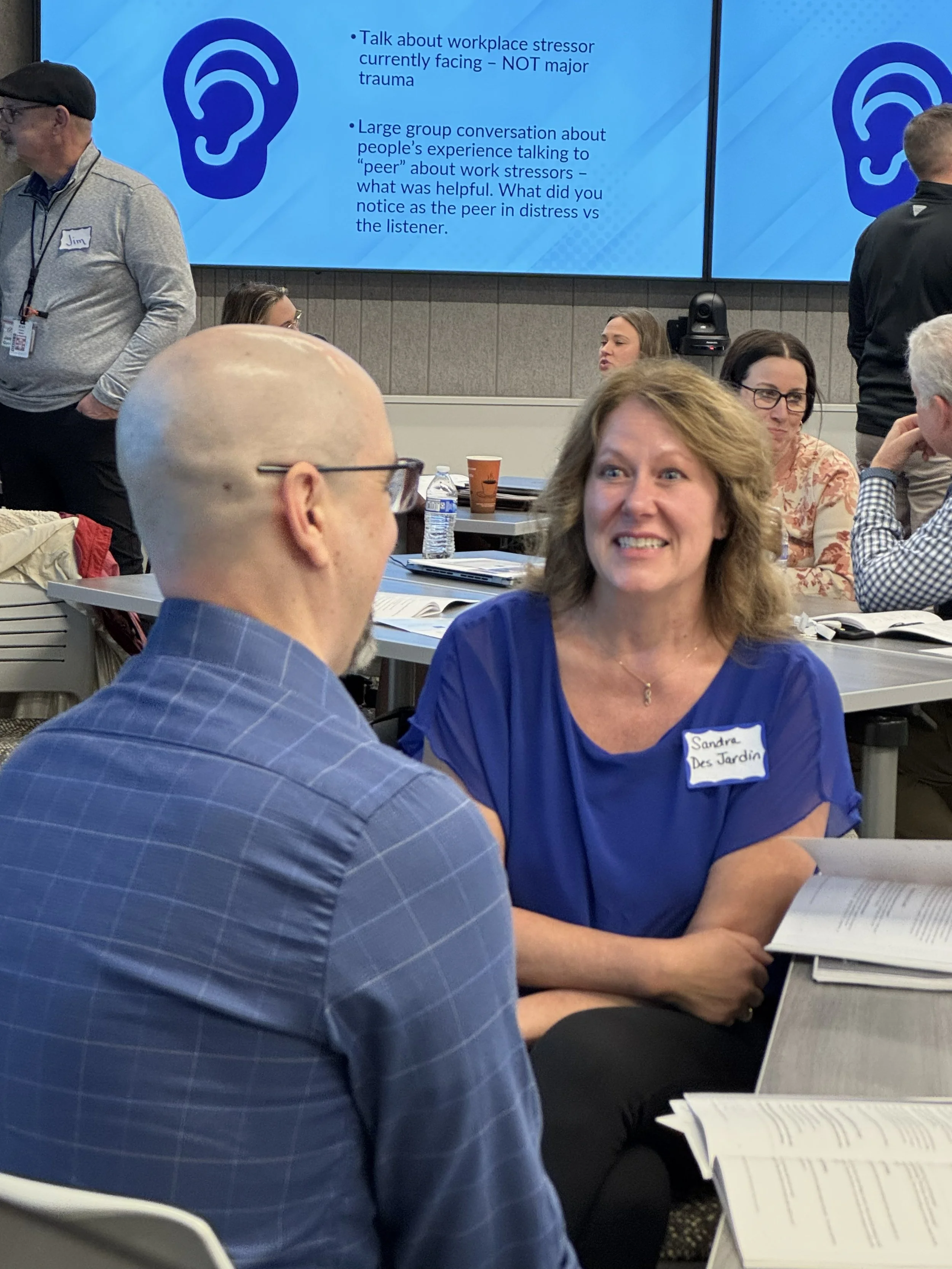
Peer supporters become trusted, approachable resources who can recognize distress and guide coworkers to help
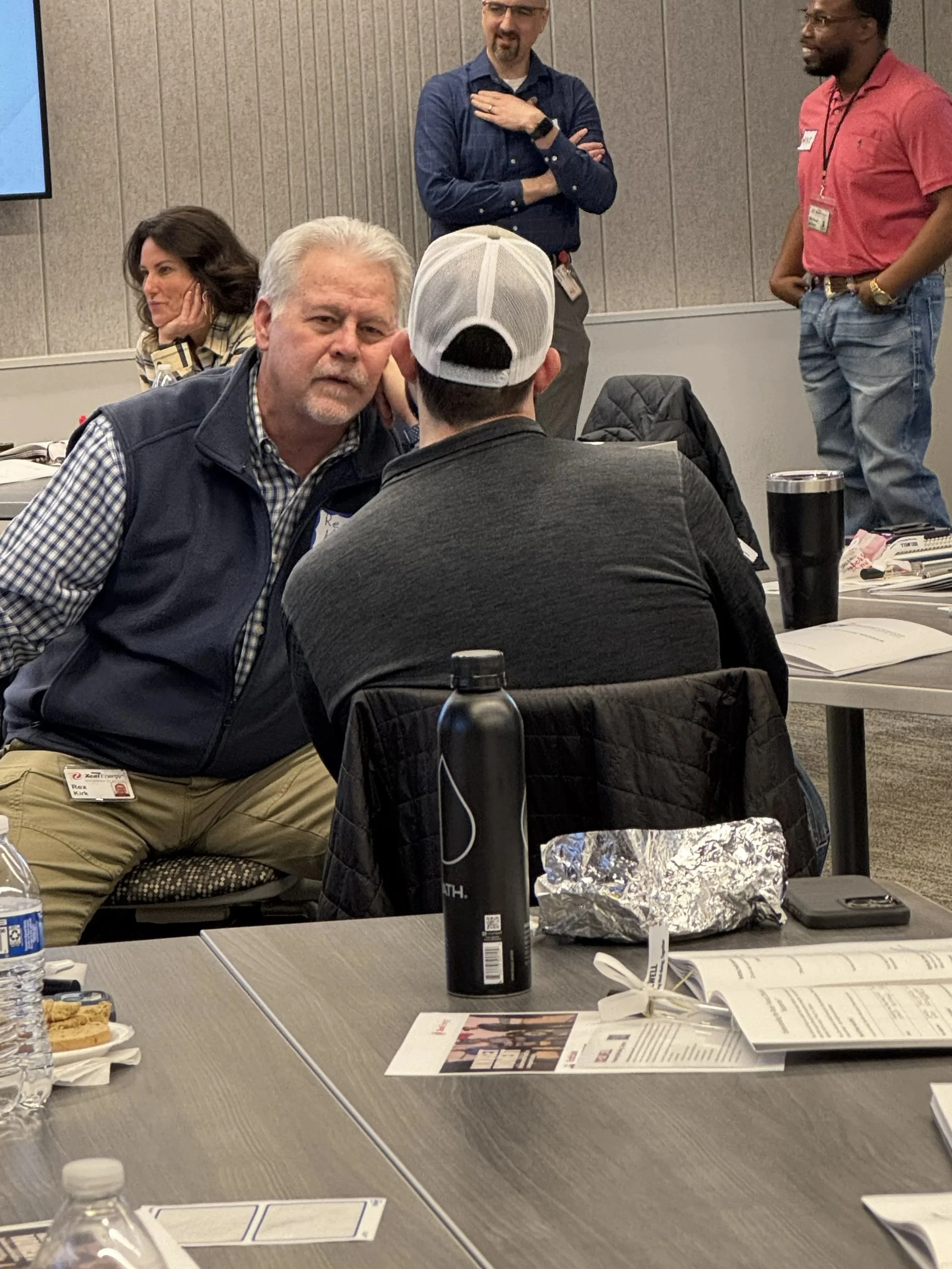
A More Connected, Resilient Workforce
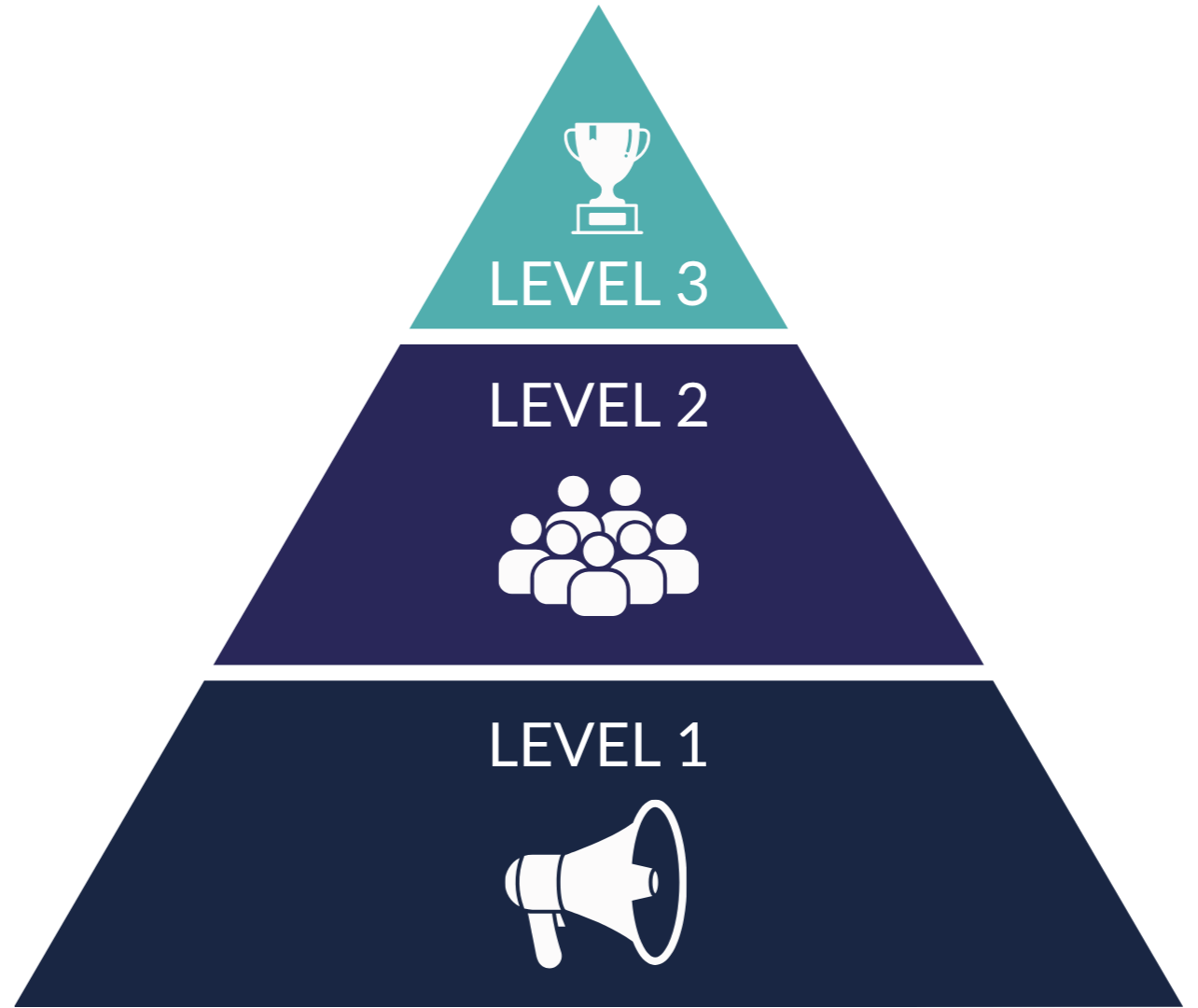
A Tiered Pathway to Culture Change
Organizations don’t transform in one training. They build capability over time.
-
Build the System
Build Infrastructure (6–8 Months)
Implementation of the PILLARS Framework
Policy & Procedures
Infrastructure & Oversight
Legal & Ethical Safeguards
Leadership Commitment
Assessment & Training
Referral System Supervision &
Sustainability
Ongoing Activities
Virtual training on trauma, suicide prevention, and substance use
Coaching and mentorship for Peer Supporters and leadership
Continuous implementation support and consultation
Outcome:
Consistent skill reinforcement
Leadership buy-in
Sustainable recruitment pipeline
More confident, capable Peer Supporters
Full Culture Integration (8-18 Months)
Ongoing in-person training + reflection sessions
Program evaluation + impact tracking
Structured peer support network
Advanced certifications (optional)
Outcome:
Fully operational peer support system
Measurable culture change
Long-term sustainability
-
Build Peer Support Skills
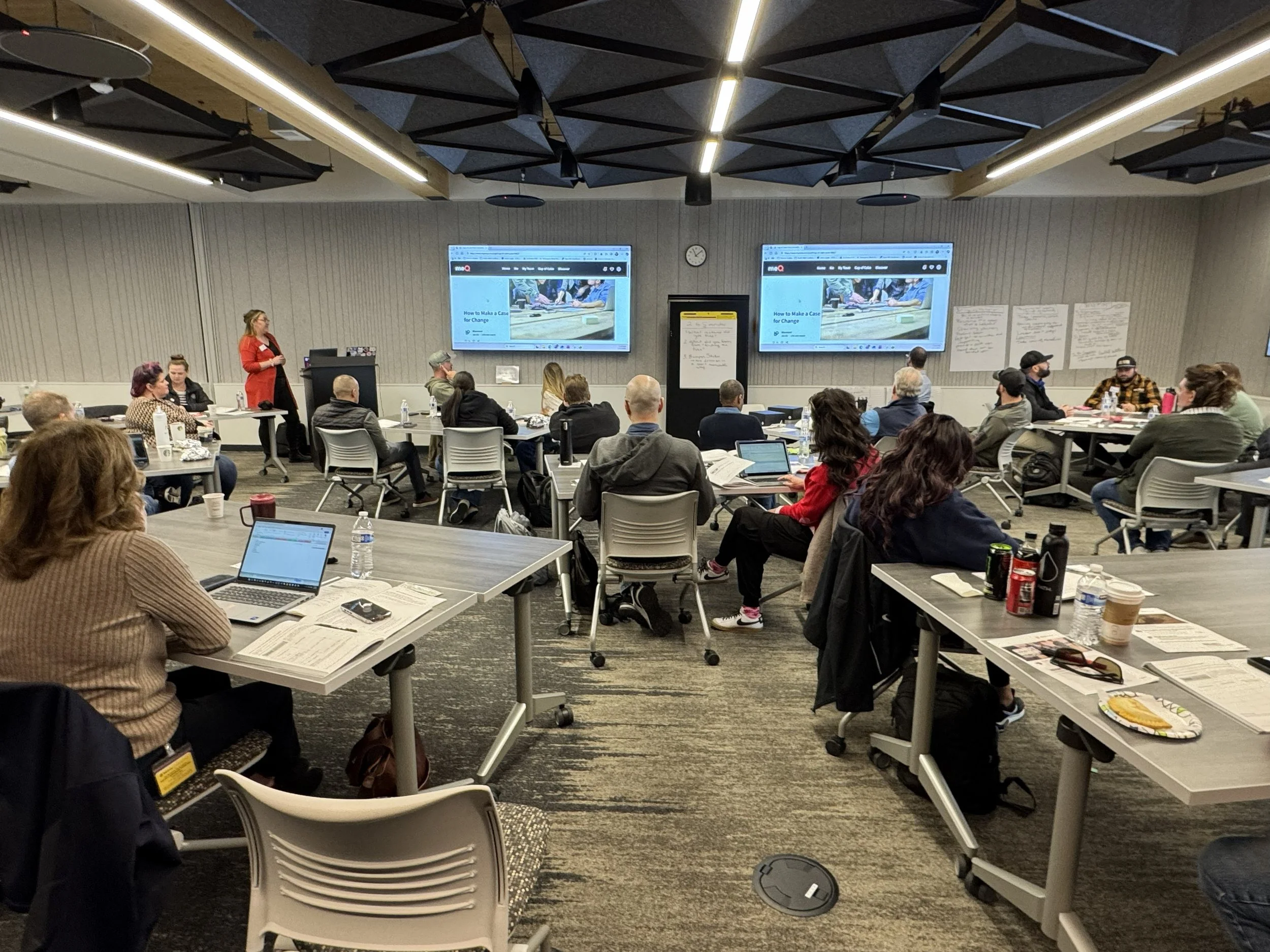
Foundational BRIDGEFORWARD Peer Supporter Bootcamp
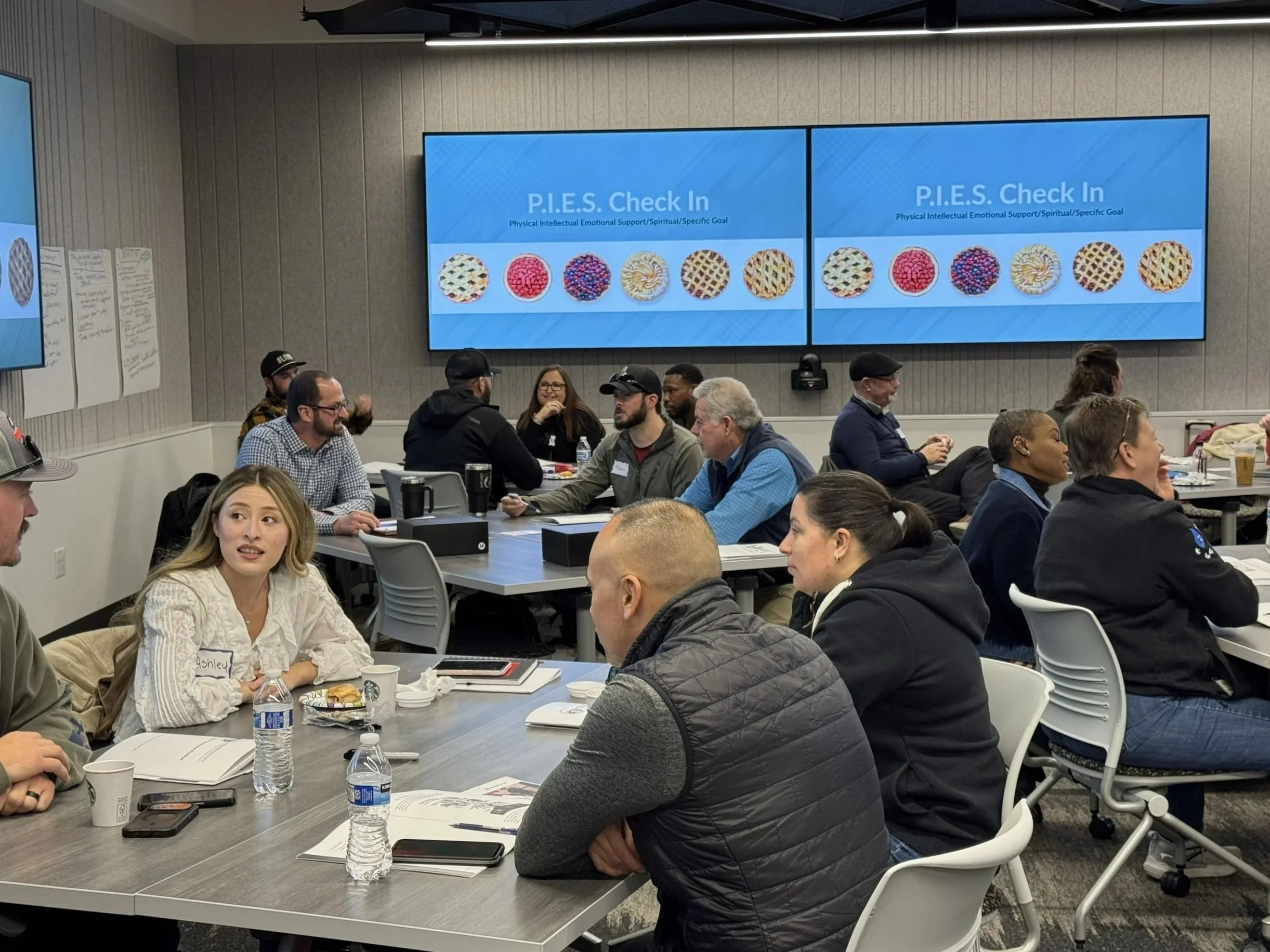
A 2-day intensive training that equips 20–30 employees with the core skills of peer support, mental health literacy, and ethical boundaries
Participants learn to:
Recognize signs of distress
Listen without trying to fix
Respond with confidence and care
Connect coworkers to resources
Stay within scope (not therapists)
Outcome:
A trained group of Peer Supporters ready to support others
A visible shift toward a culture of care
-
Create Awareness & Urgency
Best for: Entire workforce, leadership events, conferences
Purpose:
Shift mindset
Reduce stigma
Create emotional connection
Introduce peer support as a solution
WHY THIS WORKS
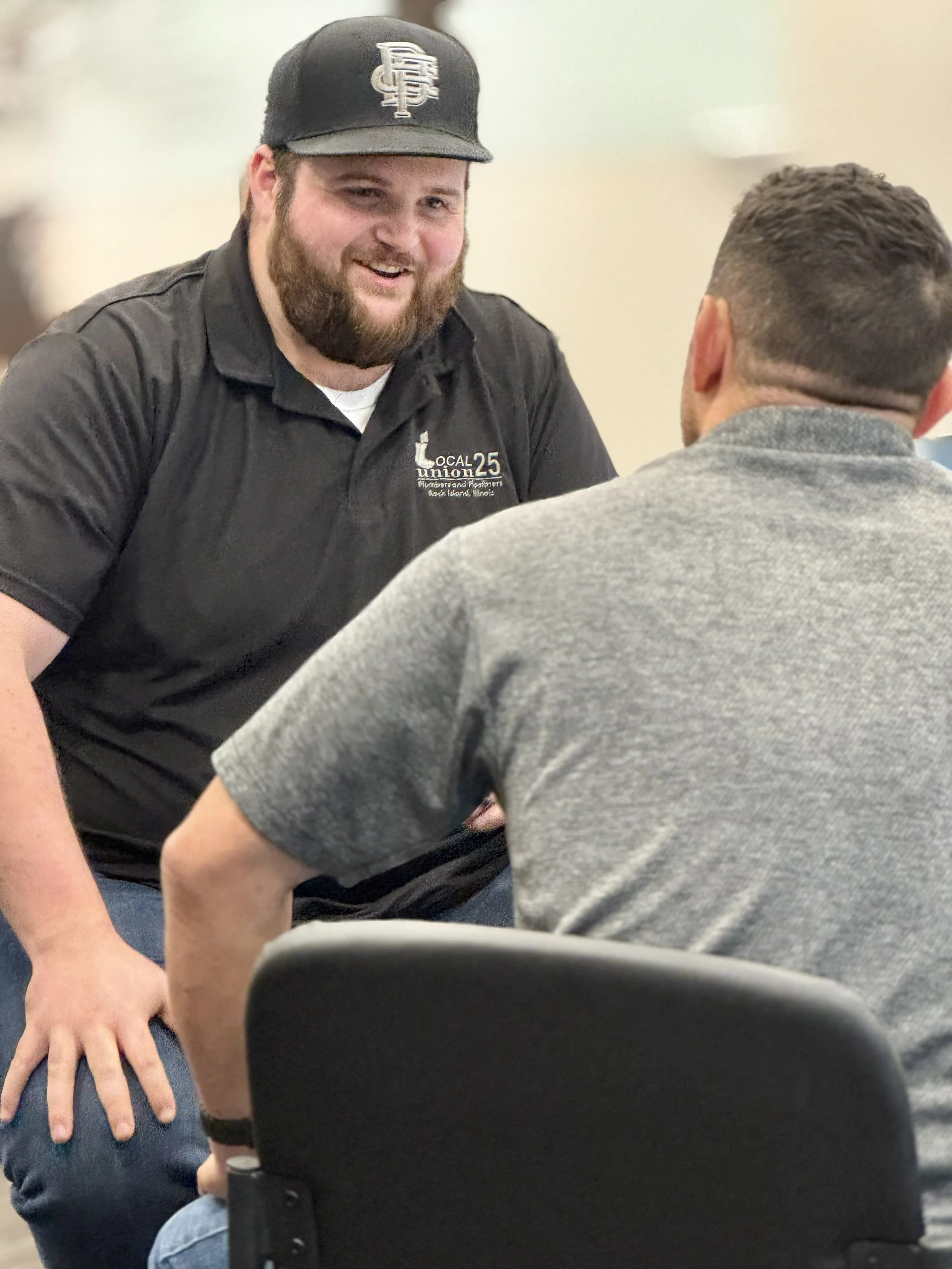
Peer support works because:
People trust peers more than authority figures
Support happens earlier
Stigma is reduced
Recovery and retention improve
Research shows peer programs:
Increase engagement
Improve retention
Reduce escalation of crises

Dr. Sally Spencer-Thomas, Psy.D.
Clinical psychologist, impact entrepreneur, and leader in workplace suicide prevention. Known for translating lived experience into actionable culture change.
sallyspencerthomas.com →

Sarah Gaer, MA
Nationally recognized trainer in trauma and crisis response with decades of experience building peer support systems that work in high-risk environments.
HOW TO GET STARTED
Start Where You Are
Whether you’re just beginning the conversation or ready to build a full program, we’ll meet you where you are and help you take the next step
References Supporting Peer Support at Work
Ali, A., Tang, T., Kudish, M., Bennett, L., Varano, K., & Smith, R. (2019). Mental health peer support: A review of the evidence for workplace settings [Report]. New York University; National Alliance on Mental Illness – New York City; Mental Health Innovations; Wellcome. https://wellcome.org/reports/understanding-what-works-workplace-mental-health
Gosselin, T., Pickett, L., Oliver, J., & Gross, M. (2025). Caring for each other: An evaluation of a peer support program for nurses and health care workers. Journal of Nursing Care Quality, 40(2), 181–186. https://doi.org/10.1097/NCQ.0000000000000834
Kim, B., Park, H., Kim, J. I., Oh, S., Moon, S. Y., Lee, J.-H., & Kim, J. H. (2025). Role of peer support in mitigating PTSD and suicide risk among firefighters experiencing colleagues' death. Journal of Traumatic Stress, 38(2), 220–230. https://doi.org/10.1002/jts.21685
Milliard, B. (2020). Utilization and impact of peer-support programs on police officers' mental health. Frontiers in Psychology, 11, Article 1686. https://doi.org/10.3389/fpsyg.2020.01686
Morris, D., Sveticic, J., Grice, D., Turner, K., & Graham, N. (2022). Collaborative approach to supporting staff in a mental healthcare setting: "Always There" peer support program. Issues in Mental Health Nursing, 43(1), 42–50. https://doi.org/10.1080/01612840.2021.1953651
Reisinger, B. A. A., Conboy, L., Bellchambers, M. S., & Gleaves, D. H. (2026). Mental health stigma reduction interventions within workplace and industry settings: A systematic umbrella review. Discover Psychology, Advance online publication. https://doi.org/10.1007/s44202-026-00718-3
Sokol, R., & Fisher, E. (2016). Peer support for the hardly reached: A systematic review. American Journal of Public Health, 106(7), e1–e8. https://doi.org/10.2105/AJPH.2016.303180
Sun, J., Yin, X., Li, C., Liu, W., & Sun, H. (2022). Stigma and peer-led interventions: A systematic review and meta-analysis. Frontiers in Psychiatry, 13, Article 915617. https://doi.org/10.3389/fpsyt.2022.915617
vonRosenberg, J. (2022). The impact of peer support on chronic job stressors. Air Medical Journal, 41(1), 34. https://doi.org/10.1016/j.amj.2021.11.016