
MENTAL HEALTH BELONGS IN HOW WORK WORKS
Build a Workplace Mental Health System That Actually Works.
Move beyond awareness and an EAP. We help organizations turn good intentions into support people trust and use.
2-5 %
Average EAP utilization rate at most organizations.
12 billion
workdays every year are stolen by depression and anxiety.
92%
of employees want to work somewhere that takes their mental health seriously.
WHO WE HELP
Support for every level of your workforce
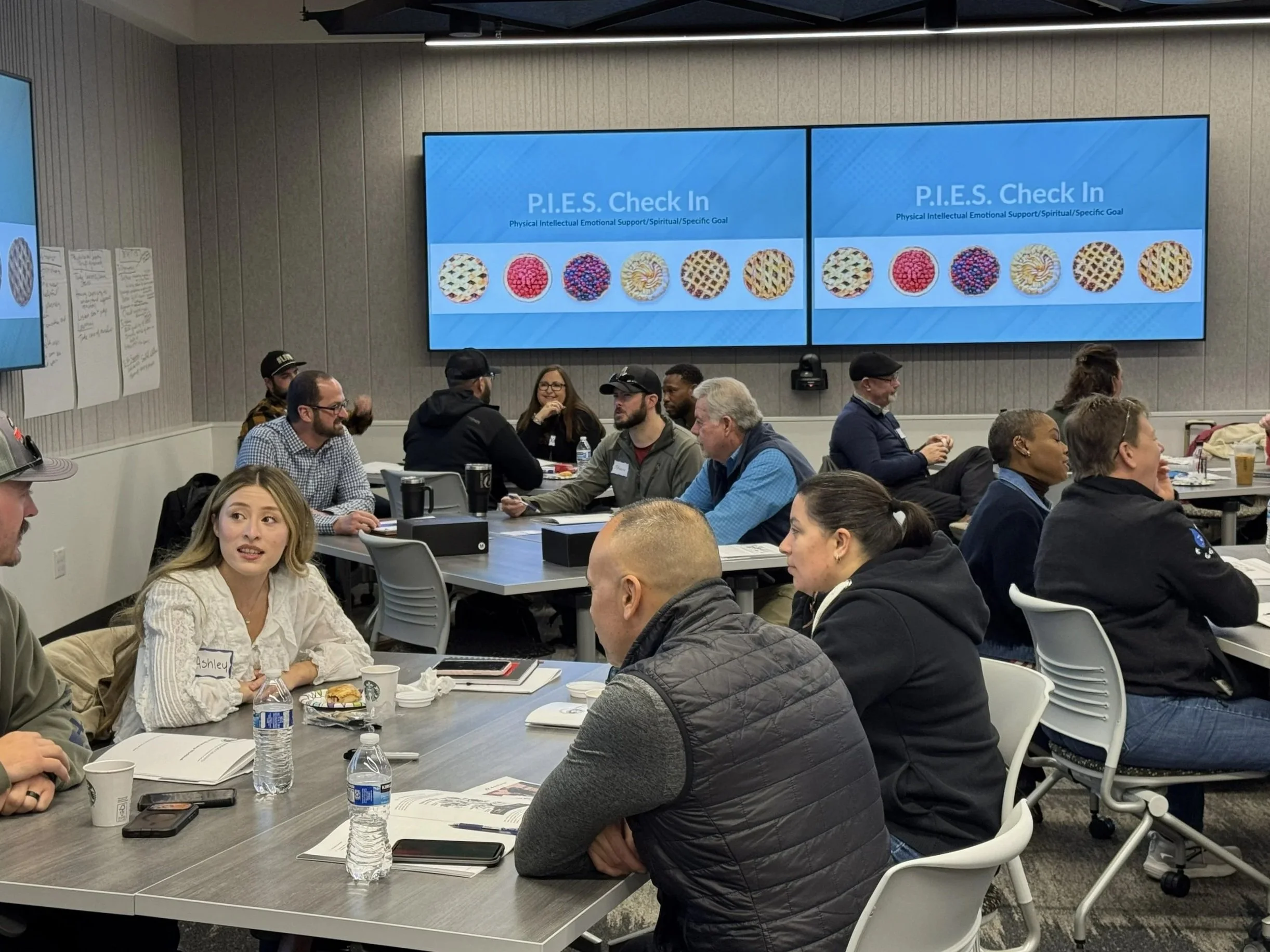
Leaders & HR
A clear strategy, accountable owners, and a business case you can stand behind.
For decision makers →
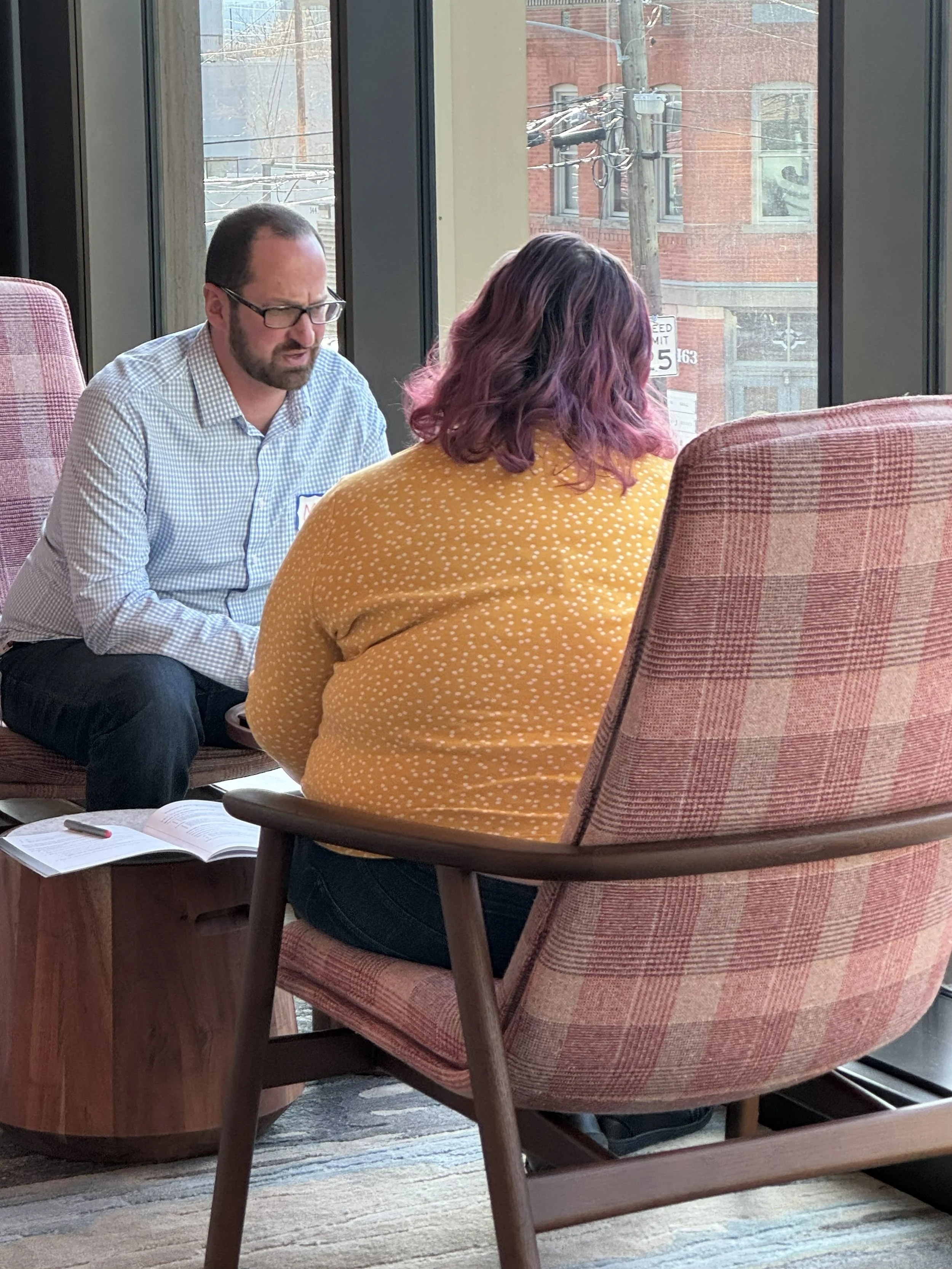
Managers & supervisors
Concrete language and skills for the conversations that matter most.
For managers →
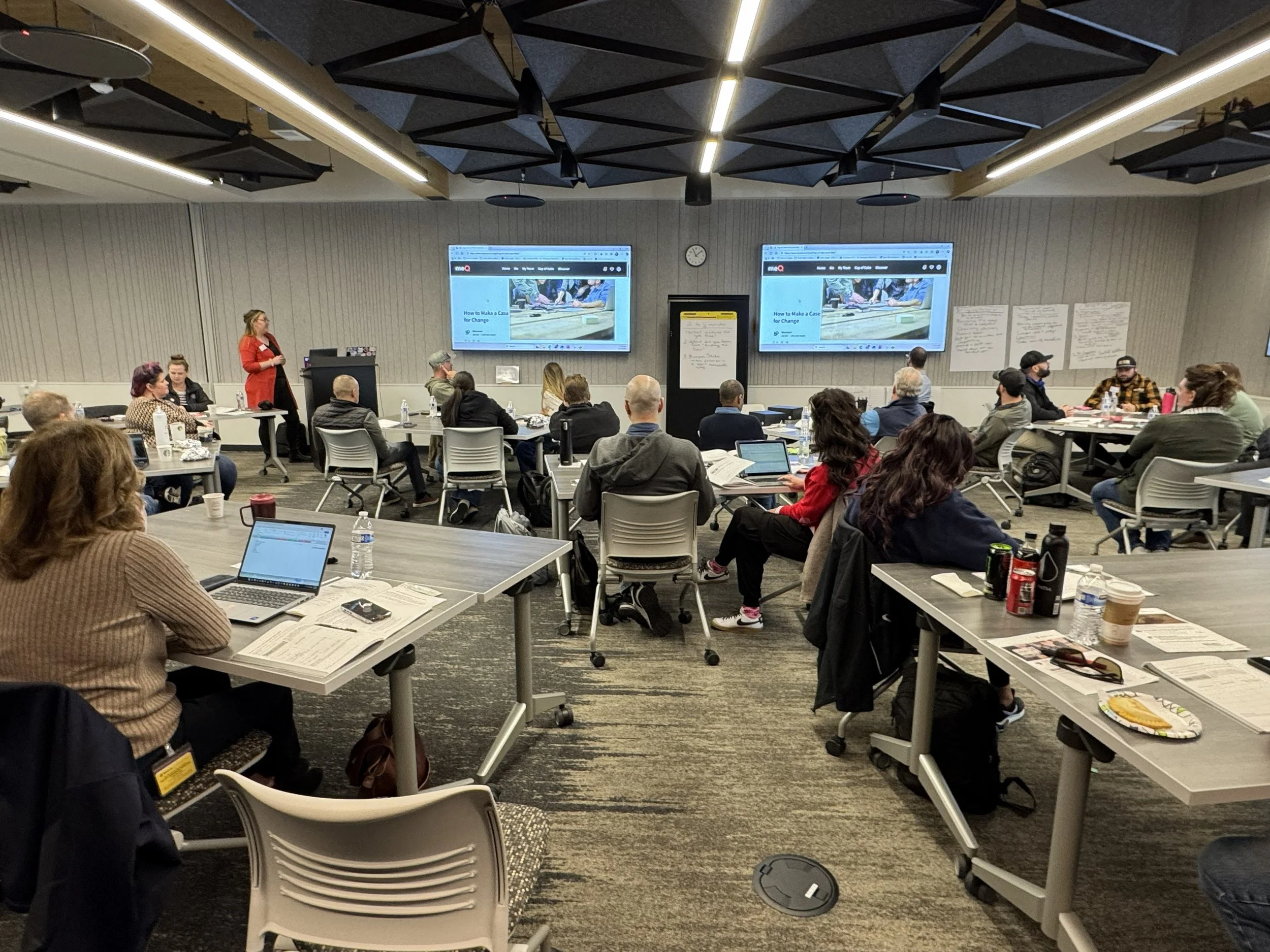
Frontline teams
Trusted peers and support that works on every shift and job site.
For teams →
WHAT WE DO
Five levers that change how work works
Start upstream. Better working conditions are prevention.
-
![]()
LEVER 01
Mitigate psychosocial hazards
Listen to teammates, then reduce the demands, schedules and isolation that wear people down.
Learn more →
-
![]()
LEVER 02
Build trusted culture and leadership
Psychologically safe leaders, fair communication, and the confidence to speak up.
Learn more →
-
![]()
LEVER 03
Remove the friction, privacy fears and delays that keep people from getting help.
Learn more →
-
![]()
LEVER 04
Strengthen early peer and manager support
BRIDGEFORWARD™ peer supporters and trained managers who know when to listen and when to connect.
Learn more →
-
![]()
LEVER 05
A practiced plan for crisis response and postvention, built into your safety systems.
Learn more →




HOW IT WORKS
Start by listening
01
02
03
Listen
We hear what teammates are experiencing and what already works.
Build
Together, we build what's missing and practice what matters.
Measure
We track what changes and keep improving.
Know where you stand in 5 minutes
Six questions. A score out of 100. Clear next steps for your organization.
No email required.
Trusted by Leading Partners
We partner with industry leaders across healthcare, manufacturing, government, education and more.


THE PODCAST
Serious conversations. Practical next steps.
Hosted by Dr. Sally Spencer-Thomas.
REAL RESULTS
What changes when mental health becomes a system
Our EAP utilization went from 3% to 11% in under a year. The difference was having a system, not just a program sitting in a benefits brochure nobody reads.
Karen L. VP Human Resources, Regional Hospital System
We finally have language and tools to talk about mental health without fear. Dr. Spencer-Thomas made it feel real, not like a compliance checkbox.
Marcus R. Safety Director, Manufacturing Co.
The scorecard was an eye-opener. We thought we were doing well. Turns out our managers needed significant training. Now they actually know how to show up.
Jenna P. Chief People Officer, Tech Company (1,200 employees)
Dr. Sally Spencer-Thomas
Clinical psychologist, suicide prevention leader, and lead author of the National Guidelines for Workplace Suicide Prevention.
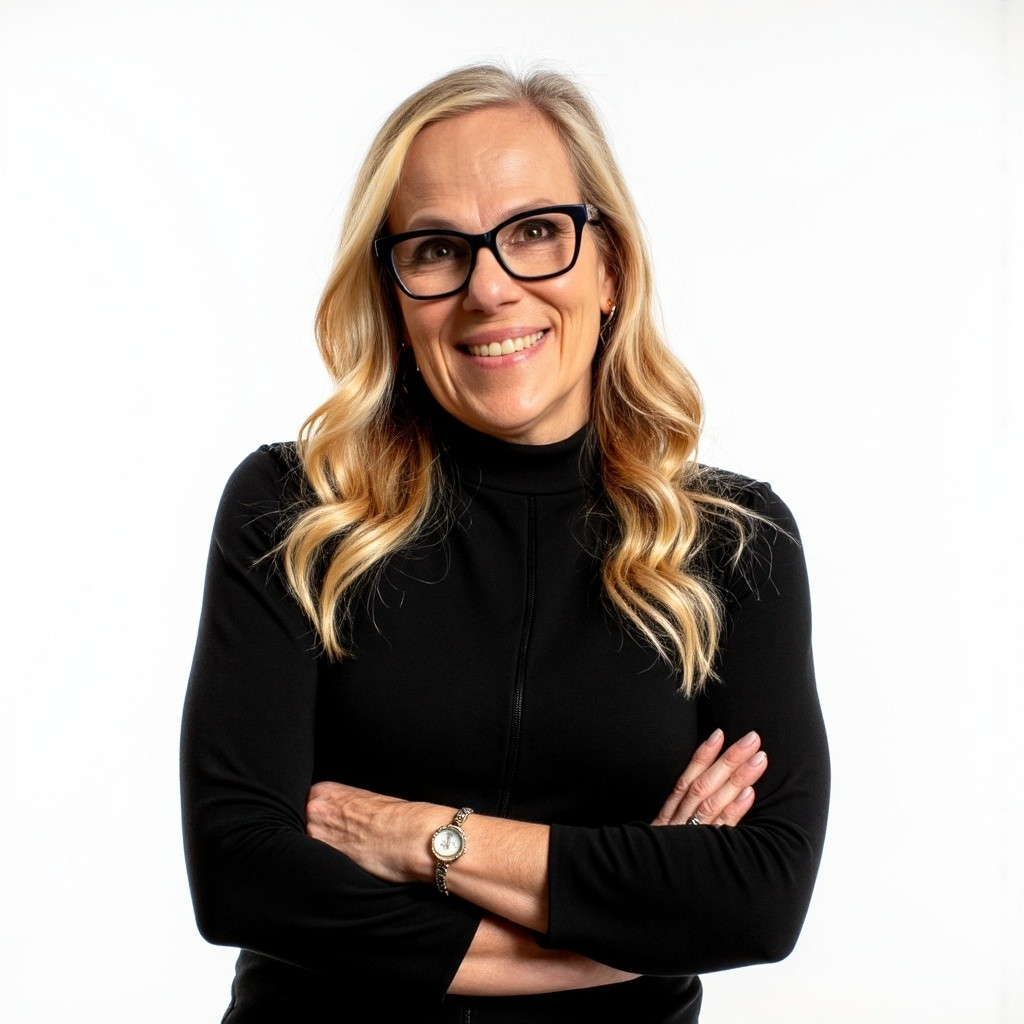
LED BY
Know Where You Stand in 5 Minutes
Take the free Workplace Mental Health Investment Impact Scorecard and get a personalized score with specific recommendations for your organization.
Free · 5 minutes · Instant personalized results
American Psychological Association. (2023). 2023 Work in America survey: Workplaces as engines of psychological health and well-being. https://www.apa.org/pubs/reports/work-in-america/2023-workplace-health-well-being
American Psychological Association. (2024). 2024 Work in America survey: Psychological safety in the changing workplace. Center for Workforce Studies. https://www.apa.org/pubs/reports/work-in-america/2024/2024-work-in-america-report.pdf
Dony, J. (2020). Substance use disorders by occupation. National Safety Council; NORC at the University of Chicago. https://www.nsc.org/getmedia/9dc908e1-041a-41c5-a607-c4cef2390973/substance-use-disorders-by-occupation.pdf
Hampson, E., Hughes, S., & Roche, C. (2024). Mental health and employers: The case for employers to invest in supporting working parents and a mentally healthy workplace (4th ed.). Deloitte UK. https://www.deloitte.com/uk/en/services/consulting/research/mental-health-and-employers-refreshing-the-case-for-investment.html
National Safety Council. (n.d.). Supporting employees into recovery leads to positive results. https://www.nsc.org/workplace/safety-topics/drugs-at-work/supporting-employees-into-recovery
World Health Organization. (2024, September 2). Mental health at work [Fact sheet]. https://www.who.int/news-room/fact-sheets/detail/mental-health-at-work